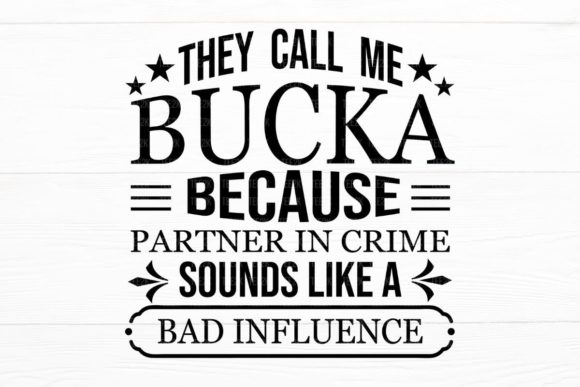
They Call Me Bucka Funny Bucka Design
As a designer who spends half my life staring at digitized files and the other half troubleshooting stitch errors on a multi-needle machine, I have learned to be skeptical of novelty text designs. They often look charming in a digital preview but turn into muddy, tangled messes once the needle starts moving. However, when I pulled up They Call Me Bucka Funny Bucka Design, I didn’t just see a file; I saw a conversation starter waiting to happen. This isn’t just another generic graphic slapped onto a .svg file; it is a piece of personality that demands to be stitched.
I am reviewing this from the perspective of practical application. If you are an Etsy seller, a craft fair regular, or someone building a boutique brand, you know that the difference between a "nice" product and a "bestseller" often comes down to execution. Here is my honest take on how this design performs in real-world embroidery scenarios, where it shines, and where you need to tread carefully.
First Impressions: Personality in Pixel Form
The moment you load the machine embroidery design, the visual weight hits you. The phrase itself carries a specific cultural cadence and humor that resonates with a wide audience. It feels confident, playful, and slightly rebellious. In terms of layout, the text likely dominates the frame, which is smart for readability. When designing for apparel or accessories, legibility is king. If the customer cannot read it instantly, the emotional connection is lost.
The mood here is undeniably casual. This is not a design for a formal wedding monogram or a delicate lace handkerchief. It belongs in the realm of everyday luxury—items people wear, use, and show off. It screams comfort. For a small business owner, this means your target market is looking for something that reflects their identity without taking itself too seriously. It bridges the gap between a standard slogan tee and a high-end custom gift.
Real-Life Application: From Hoop to Hanger
Let’s talk about where this actually lives. I recently imagined placing this design on a heavyweight cotton canvas tote bag. The contrast of bold, humorous text against a sturdy fabric creates an immediate sense of durability and style. It transforms a simple utility item into a statement piece. Similarly, envision this on a cozy fleece sweatshirt. The texture of the knit fabric would soften the edges of the stitches, making the design feel integrated rather than pasted on.
For the craft business community, this design is versatile. It works beautifully as an embroidered patch intended to be sewn onto denim jackets or backpacks. It also has strong potential as a personalized gift. Think about baby items—while the phrase might be more suited for older children or adults, the playful font style could be adapted for a nursery theme if the typography is soft enough. Alternatively, consider kitchen textiles. A tea towel or apron featuring this design adds a touch of humor to domestic spaces, which is a huge trend in home decor right now.
If you are creating holiday embroidery collections, this design fits perfectly into seasonal gifting. It is the kind of item a buyer purchases for a friend who needs a laugh. It drives engagement because it sparks joy. When a customer sees a finished product they can relate to, trust in your brand increases. They see that you understand current trends and cultural nuances.
Technical Execution: Where Caution is Required
Not all fabrics are created equal, and neither are all hoop sizes. While this design has broad appeal, there are specific situations where you need to exercise professional caution. First, consider the hoop size. If the design is large, ensure your machine can handle the dimensions without excessive trimming. More importantly, look at the details. Does the design include tiny lettering or intricate curves? If so, test it on scrap fabric first. Fine details often get lost in dense stitches or on textured surfaces.
Fabric choice is critical. Avoid using thin or stretchy fabrics like lightweight jersey or sheer chiffon unless you are using a heavy-duty stabilizer. These materials can pucker or distort under the tension of the thread, ruining the clean lines of the text. Dark fabrics require careful thread selection. You must check thread color contrast to ensure the text pops. A light thread on a dark background usually works best for readability, but you may need a cut-away stabilizer to prevent the dark fabric from showing through the stitching.
Also, think about the end-user experience. Products that require frequent washing, such as custom apparel or kitchen towels, need robust stitching. If the design relies heavily on long satin stitches that catch on things, it might snag during laundry. Ensure the stitch density is appropriate for the intended use. Too dense, and the fabric becomes stiff; too sparse, and the backing shows through.
Design Assets and Commercial Use
For those selling digital products or design assets, remember that the value lies in versatility. This digital embroidery file should be tested across various mockups before listing. Create printable mockups that show the design on different backgrounds—light wood, concrete, soft pastel walls—to help buyers visualize the final result. This transparency builds professionalism.
Before you start printing shipping labels, confirm the licensing terms. Just because you bought the file does not always mean you have commercial rights to sell unlimited quantities of the finished product. Always review the license agreement to protect your small shop product business from legal issues.
Final Verdict
They Call Me Bucka Funny Bucka Design is more than just a novelty print; it is a strategic addition to any embroiderer’s library. It offers high visual appeal, strong emotional resonance, and excellent potential for social media sharing. Whether you are decorating a cap, a pillow cover, or a batch of tote bags, this design delivers personality.
However, success depends on your technical setup. Take the time to inspect small details, choose the right stabilizer, and match your thread colors wisely. By doing your homework, you transform a simple graphics file into a premium handmade product that customers will love. It is a smart choice for anyone looking to add a touch of humor and heart to their creative output.
- Test on scrap fabric to check for puckering.
- Verify commercial licensing before selling finished goods.
- Use high-contrast threads for maximum readability.
- Consider the end-use environment (washing, wear) when selecting fabric.
In the world of handmade goods, authenticity wins. This design captures a moment, a feeling, and a joke, all wrapped in thread. It is a testament to the power of thoughtful design execution. If you approach it with care and creativity, it will serve your projects—and your bottom line—well.