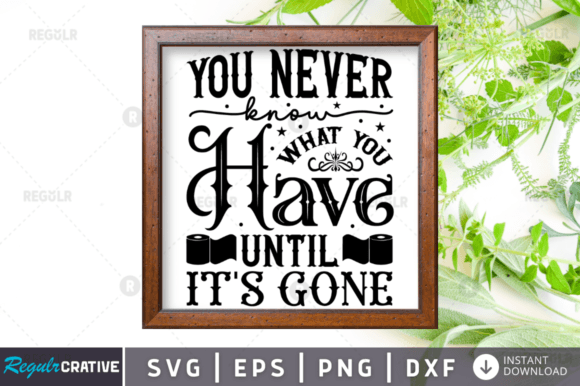
You Never Know What You Have Until It s
I have spent years reviewing digital assets for the embroidery industry, and I can tell you that the difference between a good project and a great one often comes down to the design itself. When I first encountered You Never Know What You Have Until It s, my initial reaction was one of caution mixed with curiosity. The phrase carries a heavy emotional weight, yet it is often used in lighthearted contexts. As an experienced designer evaluating this for real-world application, I had to ask myself: does this design translate well from a screen to a needle? Can it hold up under the tension of machine embroidery while maintaining its intended message?
This piece falls squarely into the Crafts and Graphics categories, specifically targeting those who need versatile text-based designs for their handmade goods. However, not all text files are created equal. In my experience, simple phrases can sometimes look cheap if the lettering isn't balanced, or they can feel too stiff if the font choice lacks personality. My review focuses on how this specific design performs when moved out of the digital realm and stitched onto actual fabric.
The First Stitch: Visual Personality and Mood
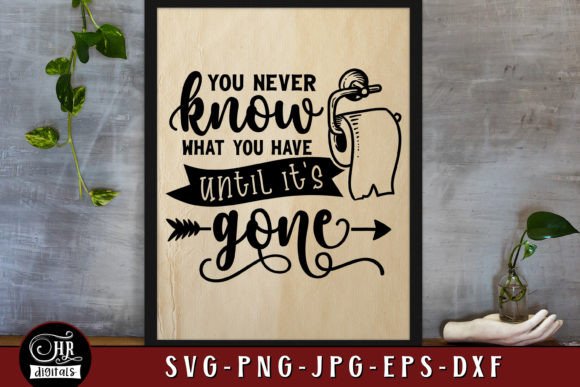
The mood of You Never Know What You Have Until It s is inherently reflective but leans towards the humorous side, particularly given its association with bathroom decor and funny signs. This duality is crucial for an embroidery designer. If you stitch this onto a high-end linen pillow, the humor might clash with the elegance. But if you place it on a cotton apron or a canvas tote bag, it feels perfectly at home. The layout appears designed to be read quickly, which suggests a focus on readability over intricate artistic flourishes.
When looking at the shape and visual personality, the design seems to prioritize clarity. For an embroidery file, this is a massive plus. Intricate scripts can get lost in dense stitching, especially on textured fabrics like fleece or denim. A clean, readable layout ensures that the recipient of your gift actually understands the sentiment without squinting. This makes it a strong candidate for custom apparel where the message needs to be the focal point.
Real-World Application: From Tote Bag to Baby Blanket
Let me walk you through a scenario I recently considered for a client project. Imagine preparing a personalized gift set for a new homeowner. The client wanted something sentimental but not overly cheesy. I evaluated You Never Know What You Have Until It s as a potential centerpiece for a custom embroidered tote bag. The concept was to pair the design with a sturdy canvas tote filled with kitchen essentials.
In this context, the design shines. The phrase fits naturally into a kitchen setting, perhaps hinting at the value of household items or the joy of hosting. On a canvas background, the contrast would be sharp, making the thread pop. Similarly, I see this design performing exceptionally well on sweatshirt embroidery. The casual nature of a hoodie pairs perfectly with the slightly irreverent tone of the quote. It transforms a standard garment into a conversation starter, adding a layer of personality that mass-produced clothing often lacks.
Beyond bags and shirts, consider the potential for baby items. A onesie or a small blanket featuring this text could serve as a poignant reminder for parents about cherishing fleeting moments. However, for baby embroidery, the thread density must be checked carefully. Soft fabrics require lighter stitches to avoid irritation. If the design includes large fill areas, it might feel too rigid against a baby's skin. In such cases, a running stitch outline or a lighter satin stitch would be preferable to maintain comfort while preserving the aesthetic.
Navigating Technical Challenges and Fabric Limits
While the design has broad appeal, there are specific scenarios where you must exercise caution. Not every surface is suitable for every embroidery project. If you are working with small hoop sizes, such as those used for caps or hats, the length of the phrase You Never Know What You Have Until It s might become a logistical nightmare. Curved surfaces distort straight lines, and long text can wrap awkwardly around the brim of a cap or the curve of a sleeve.
Textured fabrics present another hurdle. While a rugged texture adds character to a finished product, it can swallow up fine details. If the design relies on thin strokes or tiny lettering, these elements may disappear entirely on a thick terrycloth towel or a nubby wool blend. Furthermore, dark fabrics require careful consideration of thread colors. Without a proper underlay or contrasting thread, the design could look muddy rather than crisp. Always test your thread color contrast on scrap fabric before committing to the final piece.
Stretchy fabrics, common in activewear or fitted t-shirts, demand a robust stabilizer strategy. If the design area is too large or the stitch density is too high, the fabric might pucker after washing. For products that need frequent washing, such as aprons or tea towels, ensure the design is anchored well. Dense stitch areas are prone to pulling, so verifying the stability of the file is essential for commercial embroidery projects that will face the rigors of daily use.
Impact on Brand Value and Customer Trust
For Etsy sellers and small business owners, the quality of the design directly impacts perceived value. A poorly executed text design can make a handmade product look amateurish, whereas a clean, well-stitched design elevates the item to a premium tier. You Never Know What You Have Until It s, when executed correctly, signals professionalism. It shows that you care about the details, which builds customer trust and encourages repeat business.
However, using this design effectively requires more than just hitting "start" on the machine. It involves thoughtful presentation. When creating printable mockups for your shop listings, ensure the lighting highlights the texture of the thread. Buyers cannot touch the product online, so the visual representation must convey the tactile quality of the finished product. If the design looks flat or blurry in your photos, customers may hesitate to purchase, regardless of the sentiment behind the words.
Essential Notes for the Embroidery Designer
Before integrating You Never Know What You Have Until It s into your production line, there are several practical steps you must take. First and foremost, always test the design on scrap fabric. This allows you to assess the stitch density and ensure that the letters are legible after the stabilization process. Check whether the design works for both personal and commercial projects by reviewing the licensing terms provided with the file. Some digital embroidery files restrict commercial use, which could lead to legal issues if you plan to sell the finished items.
Review the file format compatibility with your specific embroidery machine. While most modern machines handle standard formats, older models might struggle with complex paths. Confirm the recommended hoop size to avoid unnecessary resizing, which can alter the aspect ratio and distort the text. Inspect small details closely; sometimes, what looks perfect on a monitor can break apart during stitching due to thread breaks or tension issues.
Finally, compare the design on light and dark fabric backgrounds to ensure versatility. If you are selling a variety of products, having a design that adapts well to different colorways is a significant advantage. Use proper stabilizer to support the fabric, and don't forget to check the thread colors against your target audience's preferences. A well-chosen thread palette can turn a simple phrase into a statement piece.
Ultimately, You Never Know What You Have Until It s offers a unique opportunity for creative entrepreneurs to add depth to their collections. Whether you are crafting a holiday gift, launching a boutique brand, or simply making a personalized present for a friend, this design provides a solid foundation. By approaching it with technical diligence and creative insight, you can transform a simple graphic into a cherished, tangible memory.