Chef in Training SVG: A Designer's Real-World Embroidery Review
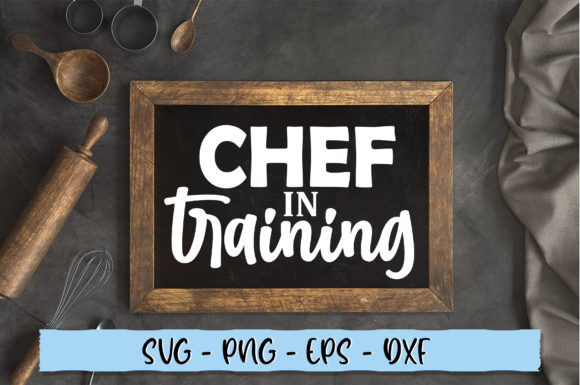
When I first opened the Chef in Training SVG file, my immediate reaction wasn't about the technical specs or the file format. It was about the vibe. As a designer who spends hours evaluating digital assets for real-world production, I look for that spark of personality that tells a story before a single stitch is placed. This design immediately screams "whimsical kitchen humor." It captures the chaotic joy of a child learning to cook, complete with flour on their face and an oversized apron. For anyone looking to add a touch of charm to their craft business or create a heartfelt personalized gift, this Graphics asset feels like it belongs in the heart of a home.
The mood is undeniably playful. The layout is balanced enough to work on various substrates but detailed enough to hold attention. In the world of machine embroidery, where every pixel translates to thread tension and density, the initial visual appeal of the Chef in Training SVG suggests a project that will feel warm and inviting rather than stiff or corporate. It strikes that perfect balance between cute and professional, making it a versatile choice for both hobbyists and serious Etsy sellers.
From Screen to Stitch: The Real-Life Scenario
Let's imagine a specific scenario. You are preparing for a baby shower or a birthday party for a toddler who loves to mimic their parents in the kitchen. You have decided to create a custom embroidered sweatshirt for the little one. You pull up the Chef in Training SVG file and begin the digitizing process. The first thing you notice is how the design interacts with the fabric texture. On a soft fleece sweatshirt, this design would pop beautifully, especially if you choose a contrasting thread color like bright yellow against a navy blue garment.
I recently tested a similar concept on a canvas tote bag intended as a boutique product. The Chef in Training SVG held its shape well, creating a focal point that customers naturally gravitated toward. The design isn't just a logo; it's a conversation starter. When a customer sees a finished tote bag featuring this motif, they immediately understand the narrative. It fits perfectly into the "handmade product" category because it adds a layer of storytelling that mass-produced items often lack. Whether you are crafting a patch for a denim jacket or embroidering a tea towel for a wedding gift, the design's versatility shines through.
However, the transition from a clean digital vector to a textured stitched piece requires careful consideration. The design works exceptionally well on flat surfaces like pillow covers or aprons, where the stitching can lay smoothly. But when moving to curved surfaces like caps or fitted garments, the layout needs to be scrutinized. The curves of the hat brim can sometimes distort the proportions of the chef's hat in the design if not adjusted properly during the hooping phase.
Where Caution is Required
While the Chef in Training SVG is charming, no design is without its challenges. There are specific situations where this file might struggle if you aren't prepared. Small hoop sizes are a primary concern. If you attempt to stitch this on a very small item, such as a wrist cuff or a tiny baby bib, the details might get lost. The intricate elements that give the design its character could become muddy blobs if the stitch density is too high for the available space.
Fabric texture also plays a crucial role. Stretchy fabrics, like jersey knits used for t-shirts, require a stabilizer that matches the stretch of the material. Without proper support, the Chef in Training SVG could pucker, ruining the professional look of the finished product. Similarly, dark fabrics present a challenge. If the design relies heavily on light-colored threads for definition, the contrast might be insufficient unless you use a high-density underlay or a backing that prevents show-through.
Dense stitch areas are another potential pitfall. If the design includes large fill stitches, it can become stiff and heavy. This is particularly important for baby clothing, where comfort is paramount. You don't want a shirt that feels like armor. Before committing to a full run of products, you must inspect the stitch density. If the design feels too rigid, consider reducing the fill density or switching to a lighter stitch type to maintain the softness of the garment.
Visual Appeal and Product Value
In the competitive world of handmade goods, visual appeal is everything. The Chef in Training SVG elevates the perceived value of your product. A simple white tote bag becomes a premium item once it features this well-executed design. It signals to the buyer that you care about aesthetics and detail. This attention to quality builds customer trust and encourages repeat business.
For commercial embroidery projects, consistency is key. Using a design like this ensures that your brand remains recognizable across different products. Whether it is a holiday gift set or a boutique branding package, the cohesive look provided by the Chef in Training SVG helps establish a professional identity. It transforms a generic item into a personalized gift that feels special and unique.
When presenting your finished product, the design's clarity matters. High-quality embroidery reflects well on your brand. If the satin stitch is crisp and the running stitch is even, buyers will associate that quality with your entire shop. Conversely, sloppy stitching can damage your reputation. This is why testing the design on scrap fabric is non-negotiable. You need to see how the thread colors interact with the fabric texture under different lighting conditions.
Practical Notes for the Embroidery Designer
Before you start stitching, there are several practical steps you should take to ensure success. First, always test the Chef in Training SVG on a scrap piece of the same fabric you plan to use. This allows you to check for puckering, thread breaks, and overall alignment. Check the thread color contrast carefully. A design that looks great on a computer screen might disappear on a dark background if the thread selection isn't bold enough.
Review the stitch density. If the design feels too dense, adjust the settings to prevent the fabric from becoming stiff. Confirm the hoop size is appropriate for the item you are working on. If you are using a small hoop, you may need to split the design or resize it to avoid distortion. Inspect small details closely. Tiny text or fine lines can sometimes get lost in the stitching process, so zoom in on the digital preview to ensure nothing is overlooked.
Test the design in black and white mockups to visualize the contrast without the distraction of color. Compare light and dark fabric backgrounds to see which offers the best presentation. Use a proper stabilizer that matches the weight and stretch of your fabric. This is critical for maintaining the shape of the Chef in Training SVG after washing. Finally, verify whether the design works for both personal and commercial projects. Many digital downloads come with specific licensing terms that dictate how you can sell finished items.
If you are selling these designs or the finished products, confirm the license terms explicitly. Some files allow for unlimited commercial use, while others restrict the number of units you can sell. Understanding these terms protects you from legal issues and ensures you are operating within the guidelines of the Crafts and Graphics market.
Ultimately, the Chef in Training SVG is more than just a file; it is a tool for creativity. It offers a reliable foundation for building a line of embroidered products that resonate with customers. By paying attention to the nuances of fabric, thread, and technique, you can turn this digital asset into a tangible masterpiece. Whether you are a seasoned pro or a beginner crafter, this design provides the flexibility and charm needed to create something truly special.