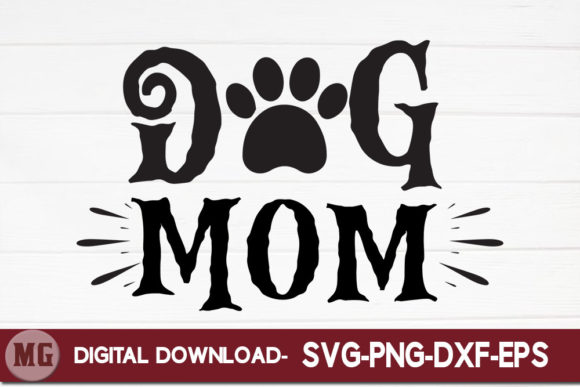
Dog Mom: A Designer's Review for Real Embroidery Work
When I first opened the package for Dog Mom, I wasn't looking at a simple text graphic; I was evaluating a potential centerpiece for a custom order. As someone who has stitched thousands of designs for clients ranging from hobbyists to boutique owners, my first impression is always about utility and character. This design immediately struck me as having a warm, approachable personality that fits perfectly into the current landscape of handmade goods. It isn't trying to be high art or overly complex; instead, it aims for that sweet spot of relatable humor that resonates with a specific community.
The concept of "Dog Mom" taps into a massive emotional connection. For embroidery designers and small business owners, this means the design has built-in appeal without needing a long sales pitch. When you are creating a finished product, whether it is a personalized gift for a friend or merchandise for an Etsy shop, the subject matter does half the work. The layout feels balanced, suggesting that it will translate well from a digital file to physical thread. However, moving from screen to stitch requires careful consideration of how the elements interact on fabric.
Bringing the Design to Life in a Custom Project
Let's imagine a real-world scenario where I am preparing a custom embroidered tote bag for a client who just adopted a rescue puppy. The goal is to create a piece of custom apparel or accessory that celebrates that new bond. Using Dog Mom for this project makes immediate sense. The design is versatile enough to sit comfortably on the front panel of a canvas tote, or perhaps centered on the back of a cozy sweatshirt.
In this context, the design acts as a badge of identity. When the customer sees their finished item, they aren't just seeing a logo; they are seeing a statement. For a handmade product, the quality of the execution matters immensely. If the stitching is sloppy or the thread colors clash, the emotional impact is lost. With Dog Mom, the visual clarity is crucial because it often features lettering that needs to be legible from a distance. If you are using this for a tote bag design, you want the text to pop against the fabric background, making it instantly recognizable as a proud declaration of love for pets.
I also see this design shining in the realm of baby items. Imagine a soft onesie or a nursery pillow cover featuring Dog Mom. The theme bridges the gap between the joy of motherhood and the joy of pet ownership. For an Etsy seller or a crafter selling at a craft fair, this dual appeal can expand your market reach significantly. It allows you to target two overlapping demographics: parents and animal lovers. When you present a mockup of this design on a light-colored blanket or a dark apron, the contrast determines the final value perception of the item.
Navigating Technical Challenges and Fabric Choices
While the concept is strong, the devil is in the details when it comes to actual machine embroidery. Not every surface is created equal, and Dog Mom requires specific conditions to look its best. One of the primary concerns for any designer is the hoop size. If the design includes intricate curves or dense lettering, attempting to stitch it in a tiny 4x4 hoop might result in crowding. You must ensure the hoop size matches the dimensions of the design to avoid distortion.
Fabric texture plays a pivotal role here. On a smooth cotton tee, the stitches lay flat and crisp. However, if you attempt to use this design on a textured fleece or a heavily woven denim, the needle might struggle to penetrate evenly. This can lead to puckering, which ruins the professional look of the finished product. Similarly, stretchy fabrics like jersey require a stabilizer that provides enough support to prevent the design from stretching out of shape after washing. Without the right stabilizer, even the most beautiful embroidery file can end up looking lopsided.
There are also limitations regarding color and density. If you are working with dark fabric, you need to consider underlay stitches and thread coverage. Light threads on dark backgrounds might require multiple passes or a specific thread weight to achieve full opacity. Conversely, on very thin fabrics, the tension required to hold the design could cause the material to tear or pucker around the edges. It is vital to inspect the stitch density before committing to a large production run. High-density areas can make the fabric stiff, which might not be ideal for items like baby clothes or delicate kitchen towels.
Curved surfaces, such as caps or hats, add another layer of complexity. While Dog Mom might look great on a flat sample, transferring it to a curved brim requires precise digitizing adjustments. If the design is too wide or the letters are too tall, they may distort as they wrap around the curve. For these applications, testing on a scrap piece of the actual hat material is non-negotiable.
Practical Notes for the Embroidery Professional
Before you hit the start button on your machine, there are several steps you should take to ensure success. First and foremost, test the design on scrap fabric. This simple step saves time, thread, and frustration. Check the thread colors you plan to use against the fabric to ensure sufficient contrast. A design that looks vibrant on a monitor might appear muddy in person if the thread sheen clashes with the fabric weave.
Review the file formats provided. You have access to SVG, PNG, EPS, and DXF files, which offers flexibility for different workflows. The SVG is excellent for vector-based cutting machines, while the DXF is essential for embroidery software compatibility. If you are unsure about the specific stitch count or machine requirements, consult the file documentation or test a single run. Do not assume compatibility across all brands of embroidery machines without verification.
Consider the intended lifespan of the item. If this is a commercial item meant for frequent washing, the durability of the stitches is paramount. Dense fill stitches provide longevity but can reduce breathability. Running stitches offer a lighter touch but may require more care during laundering. For a commercial embroidery project, consistency is key. Every item leaving your shop must look identical, so calibrate your machine settings based on your initial tests.
Licensing is another critical factor. Before selling finished products made with Dog Mom, confirm the license terms associated with the digital download. Some designs are for personal use only, while others allow for commercial resale. Understanding these boundaries protects your craft business from legal issues and ensures you are operating ethically within the Graphics and Crafts communities.
Final Thoughts on Visual Impact and Value
Ultimately, the success of Dog Mom as an embroidery design comes down to how well it integrates into the story of the product. It is not just a collection of stitches; it is a conversation starter. When a customer receives a personalized gift featuring this design, they feel seen and understood. For the maker, it represents a reliable asset that can elevate a standard item into something special.
The design excels in creating a sense of community and belonging. Whether it adorns a patch for a jacket, a decorative accent on a pillow cover, or a playful addition to a holiday gift, it carries a positive energy. In the world of digital embroidery files, finding a balance between simplicity and charm is difficult, but Dog Mom achieves this effectively. It avoids over-complication, allowing the message to shine through clearly.
For apparel decorators and creative entrepreneurs, this design is a practical tool. It works well for holiday embroidery projects, wedding gifts, or boutique branding where a touch of personality is desired. By paying attention to the technical nuances—fabric choice, stabilizer selection, and thread contrast—you can transform this digital asset into a tangible masterpiece. The result is a handmade product that stands out in a crowded marketplace, driven by quality craftsmanship and thoughtful design.
In conclusion, Dog Mom is more than just a quote; it is a versatile component for building a cohesive brand or creating heartfelt gifts. With proper preparation and attention to detail, it can become a staple in your repertoire of embroidery projects. Treat it with the respect it deserves, test thoroughly, and let the stitching bring the sentiment to life.